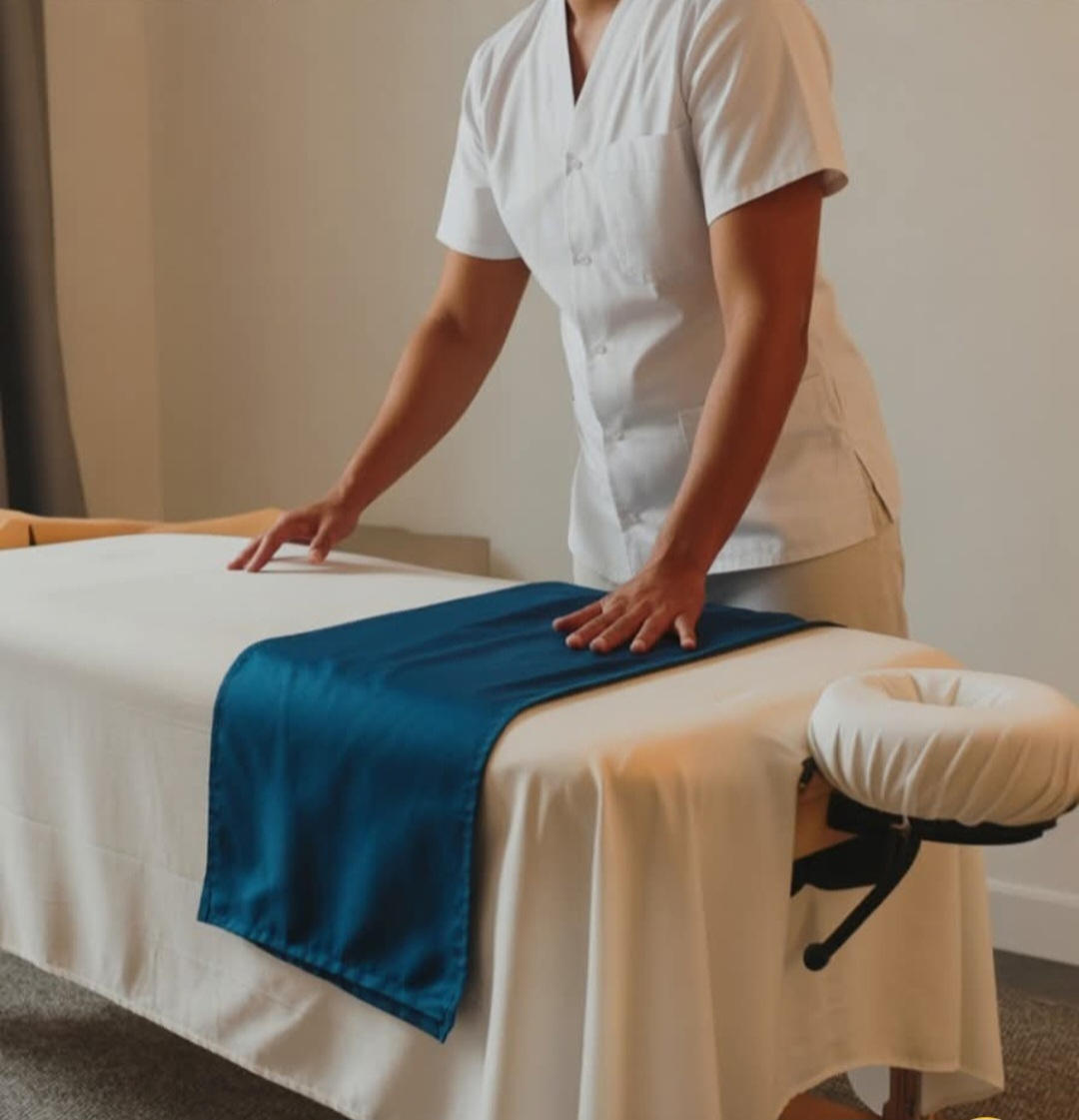

Sports massage serves as a critical component in the therapeutic regimen for rowers and paddlers, addressing their unique muscle strain issues, particularly in the latissimus dorsi, scapular, and lumbar regions. This article will delve into various techniques, benefits, and recommendations to enhance performance and recovery for athletes in Seattle. Athletes frequently experience muscle strain that can hinder their training and competition, making timely intervention essential. We will explore common injuries faced by rowers and paddlers, the best massage modalities designed for these ailments, and preventive strategies that foster long-term muscle health.
In the following sections, we’ll outline specific techniques employed in sports massage, the inherent benefits for athletes, common injuries affecting rowing performance, along with practical advice tailored for the unique needs of Seattle rowers.
Techniques
Different massage techniques are pivotal in relieving the muscle strain that rowers and paddlers face regularly. These include:
- Myofascial Release: This technique involves applying gentle, sustained pressure to the connective tissues to eliminate pain and restore motion.
- Deep Tissue Massage: Focusing on deeper layers of muscle, this method targets chronic tension and pain, releasing knots and improving blood flow.
- Neuromuscular Therapy: This specialized form of therapy focuses on treating trigger points—sensitive areas of tight muscle fibers—to alleviate pain and discomfort.
These techniques are vital for athletes looking to maintain optimal performance and expedite their recovery process.
Benefits
Sports massage provides numerous benefits that go beyond mere relaxation. For rowers and paddlers, the primary advantages include:
- Pain Relief: Effective management of muscle pain, resulting in reduced discomfort during and after workouts.
- Improved Flexibility: Regular massage helps in maintaining and enhancing muscle elasticity, which is crucial for peak athletic performance.
- Faster Recovery: Enhanced blood circulation aids in quicker recovery from training sessions, allowing athletes to train harder and more frequently.
Incorporating regular sports massage sessions into an athlete’s routine can optimize their physical condition and reduce the risk of injury.
Specific Recommendations for Athletes
For rowers and paddlers, specific recommendations help to maximize the effectiveness of sports massage:
- Frequency of Sessions: Athletes should aim for sessions every 1-2 weeks during training to maintain muscle health.
- Customized Treatment Plans: Each athlete should have a tailored massage therapy plan focusing on their specific performance needs and injury history.
- Integration with Other Therapies: Combining massage with physical therapy, strength training, and flexibility workouts is advisable for holistic athletic care.
These recommendations ensure that athletes are fully equipped to handle the demands of their sport.
What Are Common Rowing and Paddling Injuries Affecting Lat, Scapular, and Lumbar Muscles?
Common injuries among rowers and paddlers often manifest as pain and strain in the latissimus dorsi, scapular muscles, and lumbar region. Understanding these injuries can help in prevention and treatment.
How Do Latissimus Dorsi Strains Impact Rowing Performance?
Latissimus dorsi strains can significantly affect a rower’s performance by disrupting stroke mechanics. These injuries might lead to inefficient rowing technique, diminished power output, and an increased risk of long-term injuries.
What Causes Scapular and Shoulder Muscle Pain in Rowing and Paddling Athletes?
Shoulder pain in rowing and paddling athletes often arises from repetitive movements and postural issues. Activities that require prolonged overhead motion can exacerbate these conditions, leading to muscle fatigue and inflammation.
Which Sports Massage Modalities Best Relieve Lat, Scapular, and Lumbar Muscle Strain?
To effectively relieve strain in the latissimus dorsi, scapula, and lumbar region, the following sports massage modalities are particularly useful:
- Fascial Stretch Therapy: Focuses on increasing flexibility and range of motion in the fascial tissue surrounding muscles.
- Active Assisted Stretching: Involves the therapist assisting the athlete in stretching to improve mobility and decrease muscle tightness.
- Trigger Point Therapy: Targets specific areas of muscle tightness that contribute to pain and discomfort, often integrating it into regular massage therapy.
Selecting the right massage modality is crucial for tailored treatment and recovery.
How Does Deep Tissue Massage Benefit Athletes with Shoulder and Lumbar Strain?

Deep tissue massage offers profound benefits for athletes suffering from shoulder and lumbar strains by effectively targeting and reducing tension in deeper muscle layers. This technique helps in alleviating discomfort, enhancing mobility, and promoting faster muscle recovery post-injury. Athletes often find that incorporating deep tissue massage into their routine aids in both immediate relief and long-term health.
What Are Trigger Point and Therapeutic Massage Techniques for Rowing Injuries?
Trigger point therapy and therapeutic massage techniques specifically designed for rowing injuries can be invaluable for effective injury management. Key techniques include:
- Specific Compression: Intentionally applying pressure to trigger points in tight muscles for pain relief.
- Myo-fascial Release Techniques: Designed to relax and restore flexibility in fascia and muscles surrounding key areas.
Both techniques are essential in addressing the unique strains that arise in rowing and paddling.
How Can Targeted Massage Therapy Accelerate Recovery and Prevent Injury in Seattle Rowers?
Targeted massage therapy plays a pivotal role in recovery by promoting increased blood flow and reducing muscle tension. These factors not only speed the healing process but also engage the body’s natural healing mechanisms. Regular sessions can help preserve muscle function and prevent injuries that might otherwise stem from overtraining.
Research into athletic recovery highlights the prevalence of back strain and the importance of addressing restrictions along the back line of fascia.
Relieving Lumbar Strain and Back Pain in Rowers
Low back pain (LBP) is a common musculoskeletal condition affecting up to 53% of elite rowers, accompanied by myofascial restrictions along the superficial back line (SBL) of fascia. EFFECTIVENESS OF HEATED IASTM ON SUPERFICIAL BACK LINE OF FASCIA FOR LOW BACK PAIN IN PROFESSIONAL MALE ROWERS, 2026
What Post-Massage Care Practices Support Long-Term Muscle Health?

Post-massage care is vital in sustaining muscle health and enhancing recovery after therapy. Recommended practices include:
- Hydration: Drinking plenty of water post-session to aid in muscle recovery and flush out toxins.
- Gentle Stretches: Engaging in easy stretching exercises to maintain muscle flexibility.
- Rest: Allowing adequate recovery time between intense training sessions to avoid muscle fatigue.
These care practices can significantly contribute to the overall well-being of athletes.
Which Preventive Strategies Reduce Recurrent Latissimus and Lumbar Strain?
Preventive strategies are essential to minimizing the risk of recurrent strains in latissimus and lumbar regions. Effective approaches include:
- Regular Maintenance Therapy: Scheduling consistent massage therapy sessions.
- Adjusting Training Regimens: Incorporating strength training and flexibility exercises specific to the demands of rowing and paddling.
- Proper Ergonomics: Ensuring correct body mechanics and posture while training and competing.
Implementing these strategies can fortify athletic performance and reduce the likelihood of injuries.
Who Are the Licensed Sports Massage Therapists Specializing in Rowing Injuries in Seattle?
When seeking specialized care, it’s important to know the qualifications of licensed sports massage therapists who cater to rowing injuries. Therapists typically have specific training in sports rehabilitation, allowing them to tailor treatments for athletic needs.
What Credentials and Experience Do Seattle Therapists Have for Athlete Massage?
In Seattle, many sports massage therapists possess certifications in various therapeutic modalities tailored for athletes, such as myofascial release and deep tissue techniques. Their experience often stems from working directly with athletes in competitive environments.
How Do Therapy Sessions Address Specific Needs of Rowers and Paddlers?
Therapy sessions for athletes are uniquely structured through assessments of individual needs to address prevailing concerns. Treatment plans are designed to meet the specific demands of rowing and paddling, focusing on strengthening key muscle groups and addressing imbalances.
How to Schedule a Sports Massage Appointment for Rowing Injury Relief in Seattle?
To schedule a sports massage appointment, Seattle athletes can reach out directly to professionals specializing in sports massage. An effective approach includes:
- Contacting the Clinic: Initiating contact to discuss specific needs and availability.
- Exploring Online Scheduling Options: Confirming appointment slots that best fit the athlete’s training schedule.
Efficient scheduling is essential for ensuring accessibility to necessary treatments.
What Should You Expect During Your Initial Sports Massage Consultation?
During the first sports massage consultation, athletes can expect a thorough assessment of their physical condition, including discussions on past injuries and performance goals. The therapist typically employs various techniques to gauge which approaches will be most beneficial.
Are There Flexible Scheduling Options and Packages for Local Athletes?
Local athletes often have access to flexible scheduling options and packages that cater to their busy training regimes. These may include:
- Morning Specials: Reduced rates for early appointments.
- Package Deals: Discounted rates for booking multiple sessions in advance.
These options ensure that athletes can receive consistent care without undue stress on their training schedules.
What Are the Most Frequently Asked Questions About Sports Massage for Rowers and Paddlers?
Here we address common inquiries regarding the effectiveness of sports massage for rowers and paddlers.
How Long Does It Take for Massage Therapy to Relieve Shoulder and Back Strain?
Typically, athletes report significant relief from shoulder and back strain within 1-2 sessions, but it might vary based on the severity of the strain and the individual’s response to therapy.
Can Regular Massage Reduce the Risk of Future Rowing-Related Injuries?
Yes, regular massage can substantially reduce the risk of future injuries by maintaining muscle flexibility and balance, as well as addressing any developing tension before it results in an injury.
Leave a Reply