
Modality
TMJ Massage for Jaw Pain in Seattle
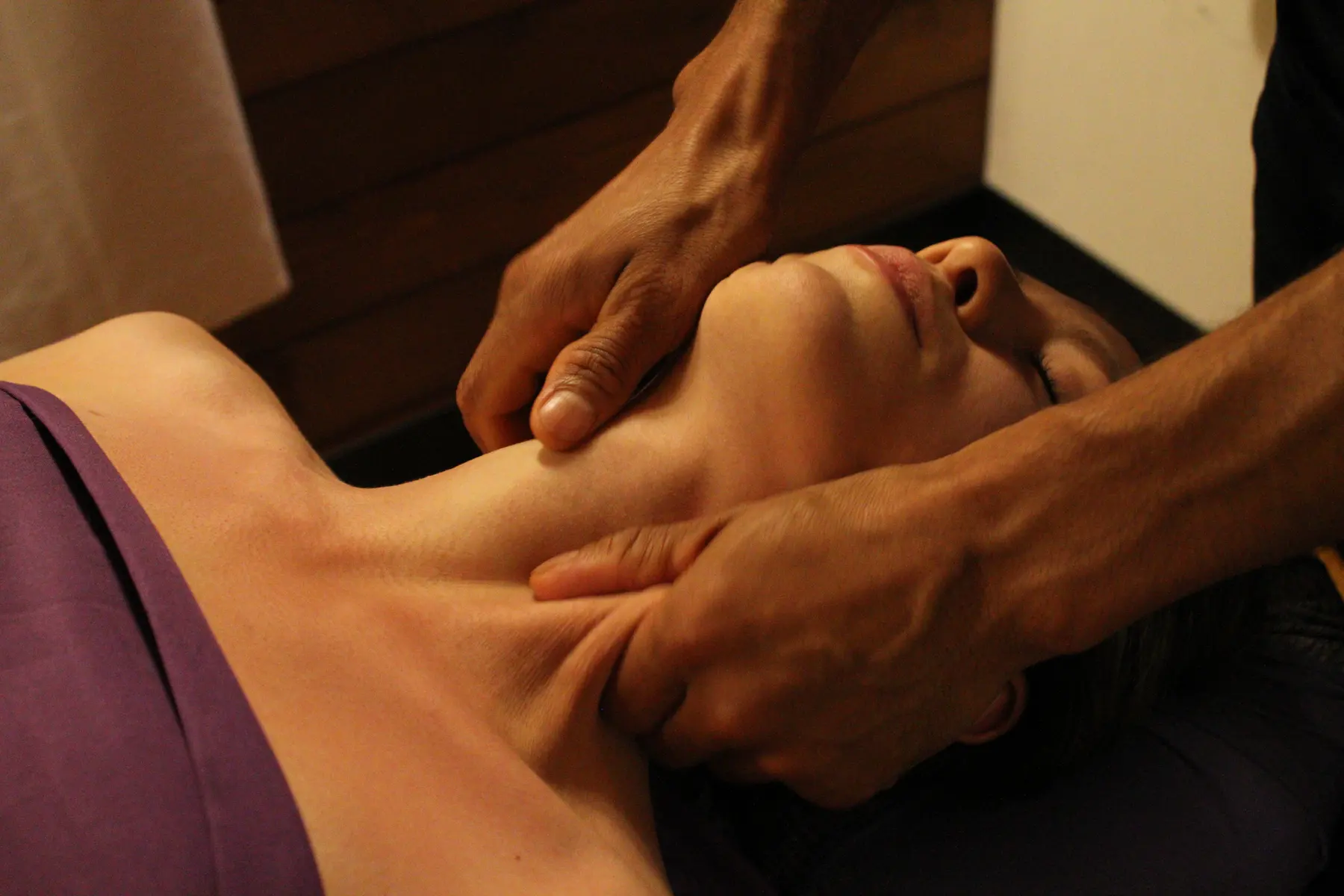
TMJ massage treats the muscles that move the jaw, along with the neck and shoulders that load it, to ease clenching, jaw pain and the tension headaches that come with it.
It combines myofascial release and trigger point therapy, applied from the outside of the face and neck.
Who it helps
- Jaw clenching or grinding, during the day or at night
- A tired, aching or clicking jaw
- Tension headaches at the temples or the base of the skull
- Desk workers whose jaw and neck tighten together
- Clients working with a dentist, physical therapist or doctor who want soft tissue support alongside that care
- Jaw and face tension that builds during stressful periods
What a session feels like
Your therapist asks about your symptoms and habits and watches how your jaw opens and closes. Slow myofascial pressure is applied to the jaw, temples and face, followed by precise trigger point work in the chewing muscles and upper neck.
The neck, shoulders and upper back are part of every TMJ session, because a forward head posture keeps the jaw under strain. Pressure stays where you can breathe and stay relaxed.
Many clients are surprised by how much tension the chewing muscles hold. As they release, the jaw often rests slightly open and the temples and forehead soften too.
How it’s different
A night guard protects the teeth but does not release the muscles doing the clenching. Hands-on work reduces the tension itself.
General neck massage often skips the jaw and face. TMJ work treats the jaw, head, neck and shoulders as one system, so relief in one area is not undone by tension in another.
It also differs from dental treatment in what it targets. Dentists and physical therapists address the joint and bite; massage addresses the soft tissue, the muscles and fascia that clench, guard and refer pain. The two work well together.
Because jaw tension is so closely tied to stress, the slow, calming pace of myofascial work matters as much as the technique.
How many sessions
Many clients feel the jaw soften after one session. For chronic clenching, a series every two to three weeks, with simple awareness and self-care habits between visits, gives the best results. A 60-minute session suits focused jaw, neck and shoulder work.
TMJ Massage questions
Do you work inside the mouth?
No. TMJ work at FlowState is done from the outside of the face, jaw and neck.
Can massage fix TMJ disorder?
Massage relieves the muscular side of TMJ dysfunction, which is often the main source of pain. It complements dental and medical care rather than replacing it.
When should I see a dentist or doctor first?
If your jaw locks, or your pain is new, sharp or severe, get it checked before booking.
Can TMJ work be part of a longer session?
Yes. It is often folded into a 90-minute session that also treats the neck, shoulders and upper back, which includes complimentary cupping.
Further reading
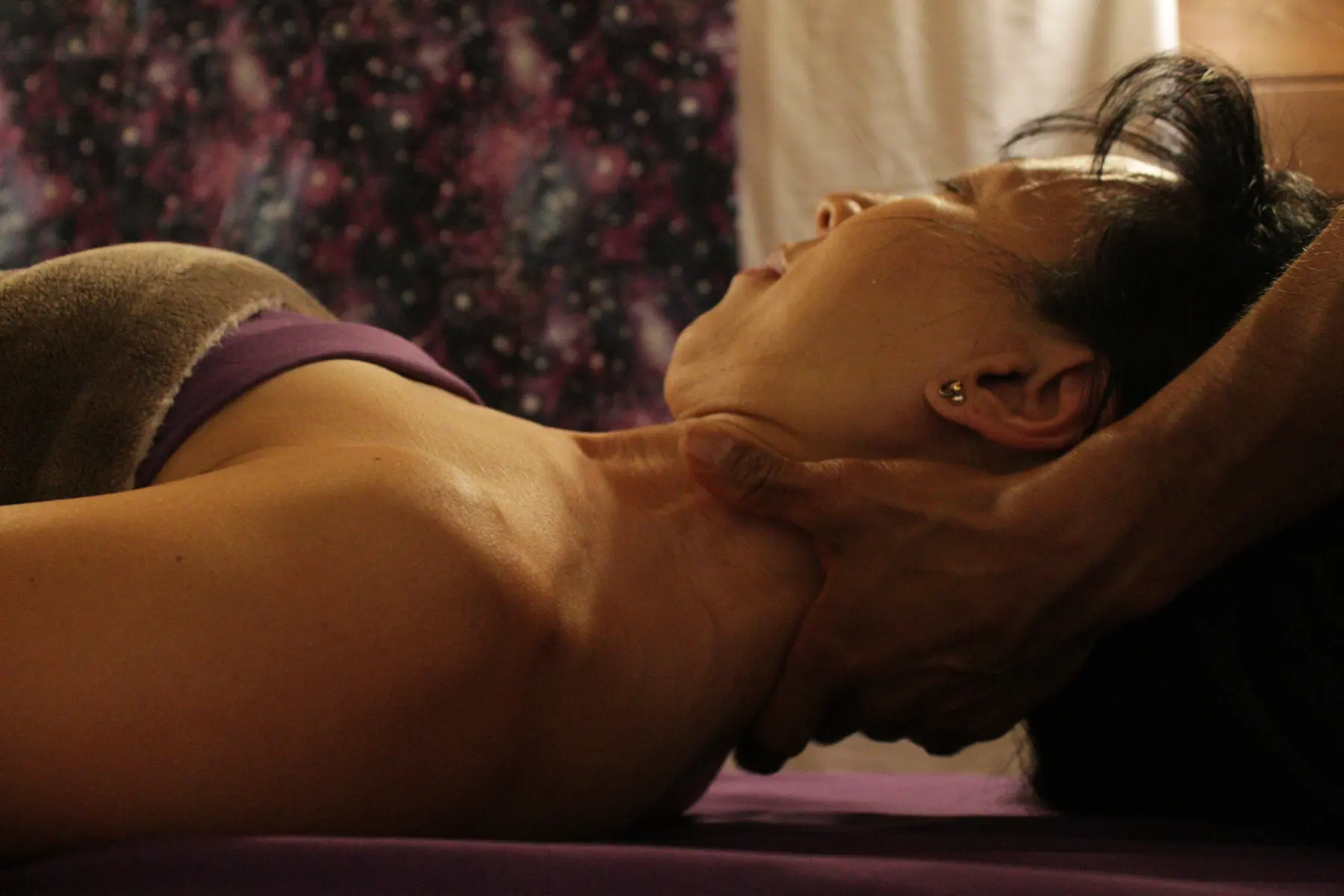
TMJ Massage in Seattle: Effective Jaw Pain Relief and Tension Release with Myofascial Release
Migraine & Tension Headache Massage in Seattle: Targeted Relief for Cervicogenic & Chronic Headaches
Tech Neck Relief in Seattle: Targeted Therapeutic Massage for Cervical Strain and Posture Alignment to Alleviate Pain and Improve Wellbeing