
The Transformative Benefits and Techniques of Myofascial Release Therapy
· FlowState Seattle Massage
The Transformative Benefits and Techniques of Myofascial Release Therapy At FlowState Seattle Massage, located at 509 Olive Way in the heart of downtown…
Book Now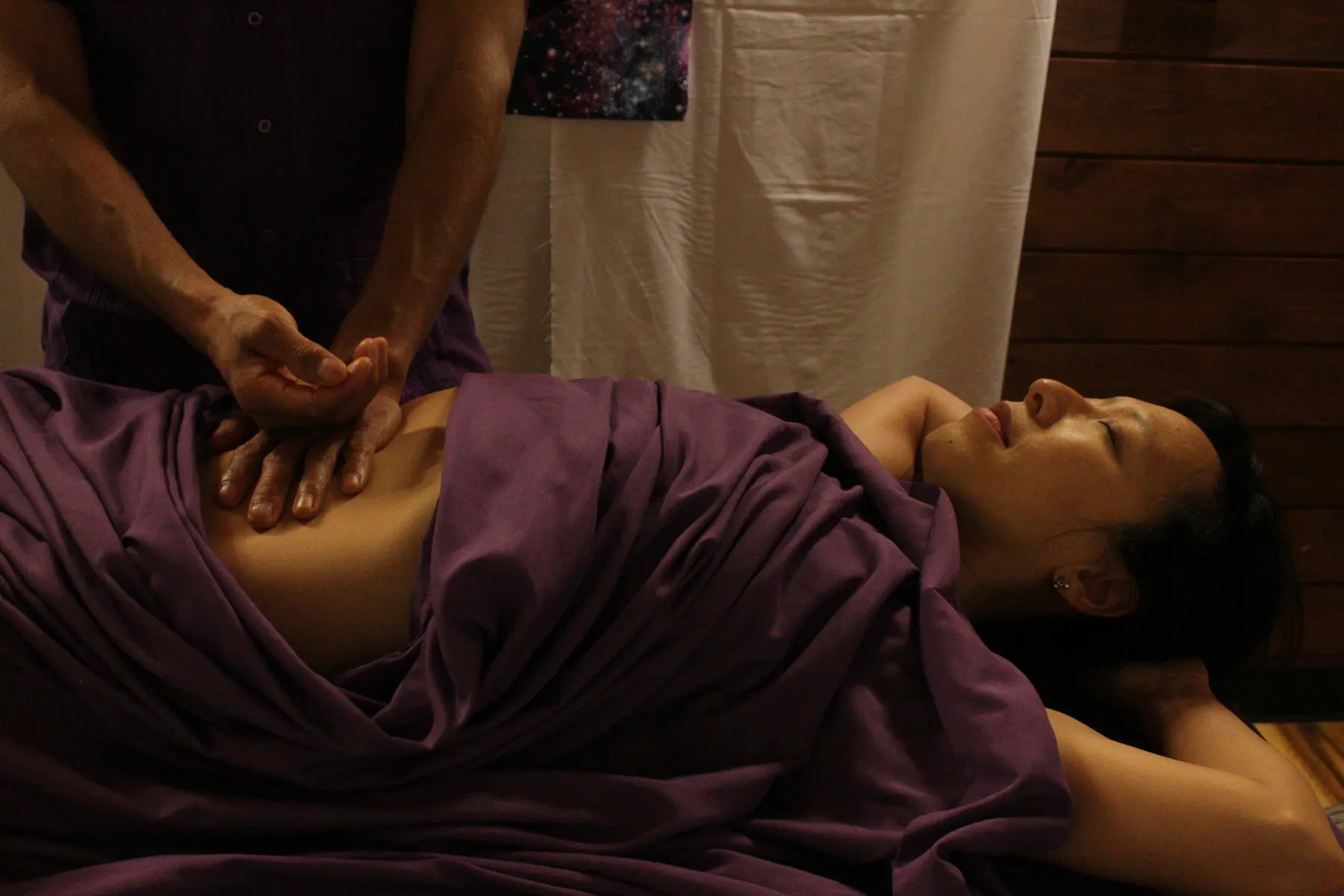
At FlowState Seattle Massage, located at 509 Olive Way in the heart of downtown Seattle, we specialize in therapeutic bodywork that helps you move, feel, and live better. One of the most powerful modalities we offer is myofascial release therapy — a gentle yet profoundly effective approach that works with your body’s fascia to relieve pain, restore mobility, and support deep, lasting change.
What Is Myofascial Release Therapy?
Myofascial release therapy is a hands-on technique that targets the fascia — the three-dimensional web of connective tissue that surrounds and interweaves with your muscles, bones, nerves, and organs. When fascia is healthy, it is supple and responsive, allowing your body to move freely. But injury, stress, repetitive movement, or poor posture can cause the fascia to tighten, thicken, or become restricted. These restrictions can contribute to chronic pain, limited range of motion, and a sense of tension that you just can’t stretch away.
During a myofascial release session at FlowState, we use sustained, gentle pressure and specific stretching techniques to soften and lengthen these restricted fascial tissues. Rather than working only on individual muscles, we address the interconnected fascial network, helping your body unwind long-held patterns and supporting more efficient, balanced movement.
How Myofascial Release Works with the Fascial Network
Fascia forms a continuous network from head to toe. A restriction in one area can create tension, discomfort, or dysfunction elsewhere in the body. This is why you might feel lower back pain that is actually influenced by tightness in your hips, legs, or even your feet.
Our therapists at FlowState Seattle Massage assess how your body moves as an integrated system. By applying slow, intentional pressure into fascial restrictions, we stimulate a viscoelastic response in the tissue. Over time, the fascia begins to lengthen and reorganize, improving glide between layers of muscle and connective tissue. This can reduce pain, improve posture, and restore natural alignment without aggressive force or abrupt manipulation.
Key Myofascial Release Techniques We Use
At FlowState, we tailor each session to your unique needs, often combining several myofascial release techniques to address both local areas of discomfort and whole-body patterns. Here are some of the primary methods we may incorporate into your treatment plan.
Direct Myofascial Release
Direct myofascial release involves applying steady, firm pressure directly into an area of restriction. Your therapist slowly sinks into the tissue and waits for the fascia to begin to melt and lengthen. This technique is highly focused and is often used on stubborn areas such as the neck, shoulders, lower back, or hips.
Indirect Myofascial Release
Indirect myofascial release is a gentler approach that follows the natural direction of ease in your tissue. Instead of pushing directly into a restriction, the therapist supports and encourages small, subtle movements in the fascia, allowing the body to unwind at its own pace. This method is especially helpful for clients who are highly sensitive, in acute pain, or dealing with chronic conditions.
Rolling Techniques
Rolling techniques use the hands, forearms, or tools to gently roll across the fascial layers. This can help break up adhesions, improve tissue glide, and bring more circulation to restricted areas. Rolling is often used on larger muscle groups like the quadriceps, hamstrings, and back to prepare the tissue for deeper, more specific work.
Fascial Stretching
Fascial stretching differs from traditional muscle stretching by taking into account the multi-directional nature of fascia. Your therapist may guide you through gentle, assisted stretches that include rotation or diagonal movement patterns, allowing the fascial lines to lengthen in a more functional, three-dimensional way. This can be particularly helpful for improving flexibility and range of motion around joints.
Fascial Unwinding
Fascial unwinding involves following the body’s spontaneous movements as the fascia releases stored tension. With light, supportive contact, your therapist allows your body to gently twist, rotate, or shift in subtle ways as the nervous system and connective tissue reset. Clients often describe this experience as deeply calming, grounding, and emotionally releasing.
10 Transformative Benefits of Myofascial Release Therapy
Myofascial release therapy offers a wide range of benefits that go beyond temporary relief. By working with the fascial network, we address underlying patterns and support your body’s natural capacity to heal. Here are ten powerful ways myofascial release at FlowState Seattle Massage can help you feel and function better.
1. Pain Relief
Fascial restrictions can compress nerves, limit circulation, and create trigger points that refer pain to other areas. By gently releasing these restrictions, myofascial therapy can significantly reduce chronic pain in the neck, back, shoulders, hips, and other common trouble spots. Many clients experience lasting relief where other approaches have only provided short-term comfort.
2. Improved Flexibility
When tight fascia is released, your muscles are no longer held in shortened or restricted positions. This allows for more natural, fluid movement and can noticeably increase your flexibility. Whether you are an athlete, a yogi, or simply want to move more freely in daily life, myofascial work can help you feel less stiff and more open.
3. Enhanced Posture
Modern life often involves long hours of sitting, screen time, and repetitive movements that pull the body out of alignment. Myofascial release helps to rebalance the tension patterns that contribute to rounded shoulders, forward head posture, and swayback. As fascia unwinds, your body can return to a more neutral, supported posture with less effort.
4. Reduced Muscle Tension
Because fascia surrounds and interpenetrates every muscle, restrictions in the fascia can keep muscles in a constant state of tension. By working on the fascial layers, we help your muscles relax more completely, decreasing that tight, knotted feeling and reducing the likelihood of recurring spasms or cramps.
5. Increased Range of Motion
Joint stiffness is often as much about fascial tension as it is about muscle tightness. Myofascial release can free up the tissues surrounding your joints, allowing you to move with more ease and confidence. This is especially beneficial for shoulders, hips, and spine — areas that commonly become restricted over time.
6. Better Circulation
Fascial adhesions can restrict blood flow and lymphatic movement. As we soften and lengthen these tissues, circulation improves, bringing more oxygen and nutrients to your muscles and helping to remove metabolic waste products. Clients often report feeling lighter, warmer, and more energized after a session.
7. Stress Relief and Nervous System Regulation
Myofascial release is deeply calming to the nervous system. The slow, sustained pressure and mindful pacing of the work invite your body out of “fight-or-flight” and into a more restorative state. Breathing deepens, muscles soften, and many clients notice improved sleep, reduced anxiety, and a greater sense of overall calm.
8. Enhanced Athletic Performance
For athletes and active individuals, healthy fascia is essential for efficient movement, power generation, and coordination. Myofascial release can help correct imbalances, reduce compensatory patterns, and optimize your body mechanics. This can translate into improved performance, better endurance, and a lower risk of overuse injuries.
9. Faster Recovery from Injuries
After an injury or surgery, fascia can become thickened and adhered, limiting movement and prolonging discomfort. When appropriate and in coordination with your healthcare providers, myofascial release can support the healing process by improving tissue quality, reducing scar tissue restrictions, and restoring more normal movement patterns. This can make physical therapy and exercise more effective as you return to the activities you love.
10. Emotional Release and Mind-Body Connection
Our bodies often store emotional stress and past experiences in the fascial system. As restrictions release, some clients notice a sense of emotional lightness, unexpected memories surfacing, or a spontaneous urge to breathe more deeply or sigh. In our calming, supportive environment at FlowState Seattle Massage, we honor the mind-body connection and hold space for whatever arises, helping you feel more grounded, present, and connected to yourself.
What to Expect in a Myofascial Release Session at FlowState Seattle Massage
When you arrive at our studio on Olive Way, we begin with a thorough conversation about your health history, current concerns, and goals. Your therapist may observe your posture and how you move before starting hands-on work. During the session, you will remain comfortably draped while we use slow, sustained pressure and guided movements to address key fascial restrictions.
Myofascial release is typically performed with little or no oil so that we can engage the fascial layers effectively. Sensations may range from mild stretching to deep, satisfying release. We encourage open communication throughout your session so we can adjust pressure and approach to match your comfort level and needs.
How Fascia Works—and Why It Matters
Fascia forms a continuous, three-dimensional network throughout your entire body. You can think of it like an internal sweater: pull on one thread and you feel the tug somewhere else. This interconnectedness is why tension in your hips can influence your low back, or tightness in your jaw can contribute to neck and shoulder discomfort.
When fascia becomes restricted—from repetitive movement, surgery, emotional stress, or even long hours at a desk—it can create pressure on muscles, nerves, and joints. This pressure doesn’t always show up on imaging, but you may feel it as:
- Persistent, dull aches or tightness
- Limited flexibility or a sense of “stuckness” in certain areas
- Discomfort that seems to move or radiate
- Postural imbalances and compensations
By working directly with the fascia, Myofascial Release aims to address the underlying restrictions rather than simply easing surface-level muscle tension.
Recognizing Myofascial Restrictions
Myofascial restrictions can develop from many sources, including physical trauma, repetitive strain, poor posture, inflammation, surgery, or emotional stress held in the body. Over time, fascia can become shortened, dehydrated, and less adaptable, creating tension that you may feel as:
- Persistent muscle tightness that doesn’t fully release, even after stretching
- Localized or widespread pain that is dull, aching, or difficult to pinpoint
- Decreased flexibility or a sense of “stiffness” throughout the body
- Restricted range of motion in joints, such as the shoulders, hips, or neck
- Compensatory movement patterns or feeling “off balance” in your posture
By gently assessing and working with these areas of tension, myofascial release aims to restore ease, space, and natural alignment in the body.
Distinguishing Myofascial Release from Other Techniques
Targeting Fascial Restrictions
Many massage and bodywork styles focus primarily on muscle tissue. Myofascial release is distinct in that it is specifically oriented toward the fascial system. Your therapist feels for areas that feel dense, ropy, or immobile, then uses slow, sustained pressure to invite these restrictions to soften. This focus on fascia allows for a more comprehensive, whole-body approach to pain relief and structural balance.
Prolonged Pressure vs. Kneading
In traditional Swedish or deep tissue massage, you might experience rhythmic kneading, gliding, and tapping strokes. Myofascial release, by contrast, involves longer holds and minimal use of oil or lotion so the therapist can maintain a steady, controlled contact with the tissue. The sensation is often described as a deep stretch or gentle pulling, rather than a rubbing or kneading motion.
Addressing the Root Cause
Because the fascial system connects the entire body, myofascial release massage can help address the root contributors to pain rather than just the areas that feel sore. By releasing long-standing restrictions and improving tissue hydration and glide, this work supports more efficient movement patterns and better alignment. For many clients, the result is relief that lasts beyond the day of the session and a greater sense of ease in daily life.
Who Can Benefit from Myofascial Release?
Because fascia is involved in nearly every movement you make, Myofascial Release can be helpful for a wide range of people. At FlowState, we often recommend MFR for clients who:
- Live with chronic neck, shoulder, hip, or low back pain
- Experience tension headaches or jaw discomfort (TMJ)
- Have repetitive strain issues from computer work, caregiving, or physical labor
- Are recovering from injuries, surgeries, or athletic overuse
- Feel stiff or restricted despite regular stretching or yoga
- Notice postural imbalances, such as rounded shoulders or a forward head position
- Are navigating stress, anxiety, or burnout that shows up as body tension
Because MFR is gentle and highly adaptable, it can be a supportive option for many bodies and ages. Your therapist will always adjust pressure and techniques to match your comfort level and health needs.
Myofascial Release as Part of a Holistic Wellness Routine
At FlowState Seattle Massage, we view Myofascial Release not just as a standalone technique, but as part of a wider, holistic approach to wellness. Your body and nervous system are constantly adapting to the rhythms of your life—work, relationships, rest, and play. MFR can support that ongoing process of adaptation by creating more space, ease, and resilience in your tissues.
Many clients choose to integrate Myofascial Release with:
- Regular therapeutic or relaxation massage
- Yoga, Pilates, or mindful movement practices
- Strength training or physical therapy
- Breathwork, meditation, or nervous system regulation practices
Over time, this layered approach can help you develop a deeper relationship with your body, improve posture and movement efficiency, and create a more sustainable way of caring for your physical and emotional well-being.
Is Myofascial Release Right for You?
If you’ve been living with chronic tension, persistent pain, or a sense that your body just doesn’t move as freely as it used to, Myofascial Release may be worth exploring. It’s especially supportive if you prefer a slower, more mindful approach to bodywork that invites you to actively participate in your own healing process.
We invite you to reach out with any questions about how MFR might support your specific situation. Together, we can design a session—or a series of sessions—to help you feel more grounded, spacious, and at home in your body.
Ready to experience the benefits of Myofascial Release? Book a session at FlowState Seattle Massage and discover how this gentle, focused work can support your long-term well-being.
Book Your Myofascial Release Session at FlowState Seattle Massage
If you are experiencing chronic pain, stiffness, stress, or a sense that your body is not moving as freely as it could, myofascial release therapy can be a powerful turning point. At FlowState Seattle Massage, we are dedicated to helping you create lasting change, not just temporary relief.
Our team combines advanced training, a science-informed approach, and a genuinely caring presence to support your healing journey. Whether you are new to bodywork or have tried many modalities before, we will meet you exactly where you are and design a session that aligns with your goals.
Ready to experience the transformative benefits of myofascial release for yourself? Book your session at FlowState Seattle Massage in downtown Seattle today and take the next step toward moving with greater ease, comfort, and confidence.
Book a Myofascial Release Session
Next steps
Learn more about Myofascial Release at FlowState Seattle Massage, see current session prices, or book your session online.