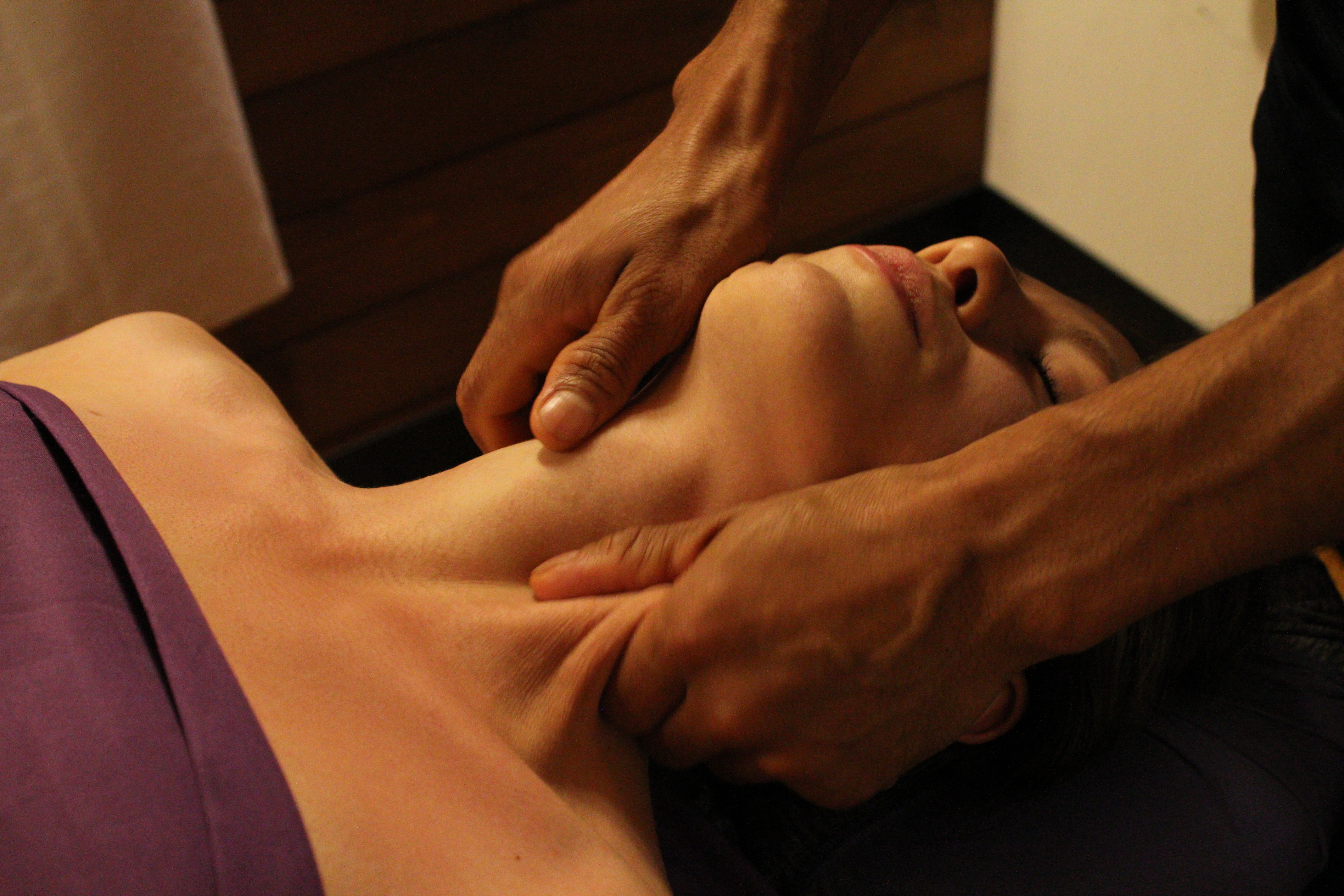
Deep Tissue Massage in Seattle: What to Expect and Who It’s For
Seattle is a city that runs at full speed. Between long commutes, hours at a desk, weekend hikes, and the weight of everyday stress, your body absorbs a lot. When surface-level tension just isn’t shifting, deep tissue massage offers something different: targeted, sustained work that reaches the deeper layers of muscle and connective tissue. At FlowState Seattle Massage, deep tissue work is one of our most requested modalities—and for good reason.
What Is Deep Tissue Massage?
Deep tissue massage is a therapeutic style of bodywork that uses slower, more deliberate strokes and focused pressure to reach beneath the superficial muscle layers. Unlike a relaxation massage, which glides over the surface to promote calm, deep tissue targets specific areas of chronic tension, adhesions, and restricted movement. It’s precise, intentional work—and when done well, it can create lasting relief that you feel in your body for days.
The technique often incorporates cross-fiber friction, sustained compression, and careful work along the length of muscle fibers to break up scar tissue and release patterns of holding that have built up over time.
1. Targeting Chronic Muscle Tension
Chronic muscle tension doesn’t develop overnight—it accumulates slowly through repetitive postures, overuse, past injuries, and stress held in the body. Deep tissue massage gets into the source of that tension rather than just the surface. By working through the layers, your therapist can reach muscle groups that other techniques simply don’t access, giving your body a chance to truly let go.
Common areas that respond well to deep tissue work include the neck and upper traps, the lower back, the glutes and piriformis, the IT band and outer hips, and the forearms and wrists—particularly for clients who do a lot of computer or manual work.
2. Breaking Up Adhesions and Scar Tissue
After an injury or repetitive strain, the body lays down scar tissue as part of the healing process. While necessary, this tissue can create adhesions—areas where muscle fibers and fascia become stuck together—leading to stiffness, reduced range of motion, and localized pain. Deep tissue massage works to soften and reorganize these adhesions, restoring more normal tissue texture and movement.
Clients recovering from athletic injuries, surgeries, or overuse conditions like tendinitis often find deep tissue work to be a key part of their recovery, especially when combined with other therapies like physical therapy or chiropractic care.
3. Supporting Injury Recovery and Prevention
Whether you’re recovering from a pulled hamstring, a shoulder strain, or post-surgical tightness, deep tissue massage can support the healing process by improving circulation to affected areas, reducing inflammation, and encouraging more balanced muscle function. It can also play a preventive role—addressing areas of early-stage tightness before they become full-blown injuries.
For Seattle’s active community—runners, cyclists, climbers, and weekend hikers—regular deep tissue work can be a game-changer for staying strong, mobile, and out on the trails.
4. Reducing Pain from Postural Strain
Modern life creates modern problems. Hours spent hunched over a laptop, craning toward a screen, or carrying a heavy bag on one shoulder all create imbalances that accumulate in the body. Over time, these patterns can lead to headaches, neck pain, upper back stiffness, and discomfort that feels constant rather than occasional.
Deep tissue massage directly addresses the overworked muscles that result from these postures, while also releasing the compensating muscles that have been working overtime to pick up the slack. Many clients notice a meaningful difference in posture-related discomfort after just a few focused sessions.
5. Calming the Nervous System Alongside the Muscles
There’s a common misconception that deep tissue massage has to hurt to work. At FlowState Seattle Massage, we approach deep tissue work with care and communication. While the pressure is firm and intentional, it should always stay within a range that feels productive—what many clients describe as “good pain”—never sharp or bracing.
When the work is done at the right depth and pace, it actually activates the parasympathetic nervous system, helping your body shift into a calmer, more regulated state. Clients often finish a deep tissue session feeling both physically released and surprisingly relaxed.
6. Who Is Deep Tissue Massage For?
Deep tissue massage is a great fit for a wide range of people, including:
- Those with chronic neck, shoulder, or back pain that hasn’t responded to lighter massage
- Athletes looking to recover faster and maintain tissue health
- People with desk jobs experiencing postural tension and repetitive strain
- Anyone recovering from a soft tissue injury or surgery
- Clients who feel they “need more pressure” during massage but haven’t found relief
- Individuals dealing with stress that has settled into tight, knotted muscles
It may not be the right fit if you’re in an acute flare of inflammation, have certain vascular conditions, or prefer a gentler touch overall—your therapist will always check in and adapt the session to what’s appropriate for your body on that day.
What to Expect at FlowState Seattle Massage
Your session at FlowState begins with a conversation about what you’re experiencing and what you’re hoping to get out of the work. Your therapist will use that information to guide the session, checking in throughout to ensure the pressure and focus feel right for you.
Deep tissue sessions can be focused on one or two specific areas, or take a more full-body approach depending on your needs. We may blend deep tissue techniques with other modalities—such as myofascial release, trigger point therapy, or stretching—to create a session that’s as effective as possible.
After your session, it’s normal to feel some mild soreness in the worked areas, similar to what you might feel after a good workout. Drinking water and gentle movement afterward helps your body integrate the work. Most clients notice the full benefits within 24–48 hours.
Ready to Feel the Difference?
If you’ve been living with tension that just won’t budge, deep tissue massage at FlowState Seattle Massage may be exactly what your body has been asking for. Our therapists bring both skill and attentiveness to every session, making sure the work is effective, safe, and tailored to you.
Book a deep tissue session today and discover what it feels like when your muscles finally get the attention they’ve been waiting for.
 FlowState Seattle Massage
Leave a comment