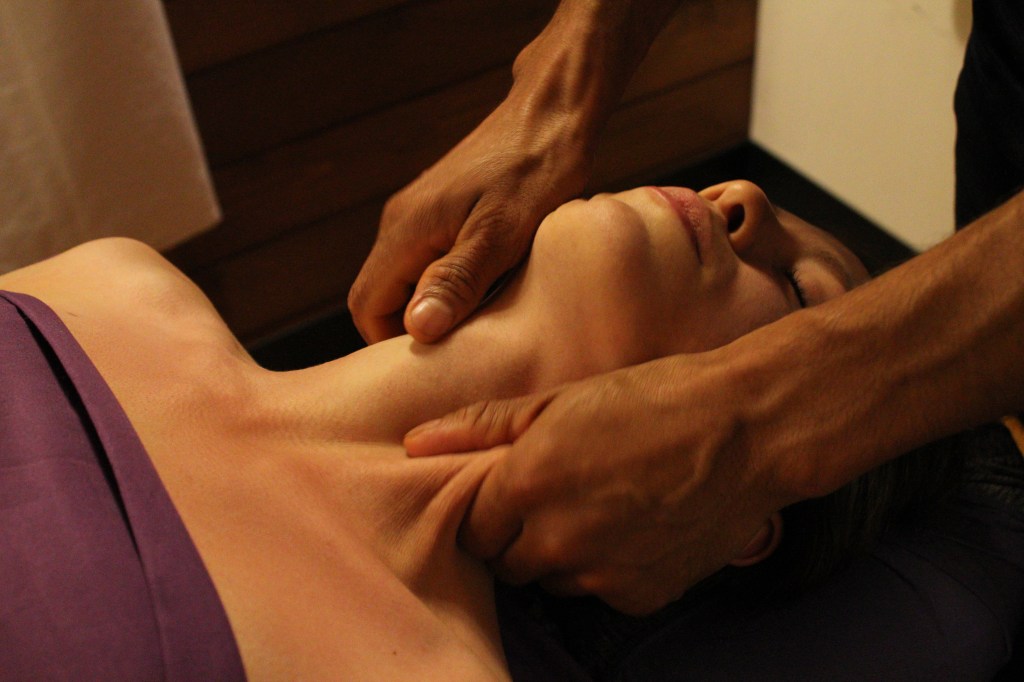

The Benefits of Myofascial Release Massage
In a city as active and fast-paced as Seattle, it’s common to carry tension in your body that doesn’t seem to respond to stretching, rest, or even traditional massage. Myofascial Release (MFR) is a gentle, highly effective approach to bodywork that focuses on the connective tissue surrounding your muscles and organs. At FlowState Seattle Massage, we use MFR to help clients soften chronic tension, reduce pain, and reconnect with a more easeful way of moving through daily life.
What Is Myofascial Release?
Myofascial Release is a specialized manual therapy that targets the fascia—the thin, web-like connective tissue that wraps around and weaves through your muscles, bones, nerves, and organs. Fascia helps your body maintain structure and transmits force as you move. When it’s healthy, fascia is supple and responsive. When it becomes tight, dehydrated, or stuck due to stress, injury, or poor posture, it can restrict movement and contribute to chronic pain.
Unlike some massage styles that focus primarily on muscles, Myofascial Release works slowly and intentionally with this connective tissue layer. Rather than using quick, gliding strokes, your practitioner applies sustained, gentle pressure and stretch to specific areas of restriction, allowing the fascia to soften and lengthen over time.
How Fascia Works—and Why It Matters
Fascia forms a continuous, three-dimensional network throughout your entire body. You can think of it like an internal sweater: pull on one thread and you feel the tug somewhere else. This interconnectedness is why tension in your hips can influence your low back, or tightness in your jaw can contribute to neck and shoulder discomfort.
When fascia becomes restricted—from repetitive movement, surgery, emotional stress, or even long hours at a desk—it can create pressure on muscles, nerves, and joints. This pressure doesn’t always show up on imaging, but you may feel it as:
- Persistent, dull aches or tightness
- Limited flexibility or a sense of “stuckness” in certain areas
- Discomfort that seems to move or radiate
- Postural imbalances and compensations
By working directly with the fascia, Myofascial Release aims to address the underlying restrictions rather than simply easing surface-level muscle tension.
How Myofascial Release Works in a Session
During a Myofascial Release session at FlowState Seattle Massage, your practitioner will begin by listening to your health history and goals, then assessing posture, movement patterns, and areas of discomfort. Sessions are typically done without heavy lotion or oil so that the therapist can maintain gentle traction on the skin and work more precisely with the fascia.
Using slow, sustained pressure and stretching, your therapist will sink gradually into areas of restriction. You might feel a gentle pulling, warmth, or a subtle unwinding sensation as the tissue begins to release. Rather than forcing anything, the work follows your body’s natural pace. Many clients describe a sense of deep relaxation and spaciousness, even when the pressure is relatively light.
Your practitioner may also guide you in small, mindful movements or breath awareness to support the release process. This collaborative approach helps your nervous system feel safe, which is essential for lasting change in long-held patterns of tension.
Who Can Benefit from Myofascial Release?
Because fascia is involved in nearly every movement you make, Myofascial Release can be helpful for a wide range of people. At FlowState, we often recommend MFR for clients who:
- Live with chronic neck, shoulder, hip, or low back pain
- Experience tension headaches or jaw discomfort (TMJ)
- Have repetitive strain issues from computer work, caregiving, or physical labor
- Are recovering from injuries, surgeries, or athletic overuse
- Feel stiff or restricted despite regular stretching or yoga
- Notice postural imbalances, such as rounded shoulders or a forward head position
- Are navigating stress, anxiety, or burnout that shows up as body tension
Because MFR is gentle and highly adaptable, it can be a supportive option for many bodies and ages. Your therapist will always adjust pressure and techniques to match your comfort level and health needs.
Relief from Chronic Pain
Chronic pain is often complex, involving not only muscles and joints but also the nervous system and connective tissue. When fascia remains tight over time, it can keep your body locked in protective patterns, even long after an initial injury has healed.
Myofascial Release can help by:
- Reducing pressure on sensitive nerves and pain-sensitive structures
- Improving circulation and hydration in restricted tissues
- Supporting the nervous system in shifting out of “fight or flight” and into a more regulated state
- Encouraging more balanced movement patterns that put less strain on vulnerable areas
Clients often report feeling lighter, more balanced, and less “compressed” after a series of MFR sessions. While results vary from person to person, many find that myofascial work becomes a key part of how they manage and reduce chronic pain over time.
Improved Flexibility and Range of Motion
Tight fascia can act like a restrictive sleeve around your muscles and joints. Even if a muscle is technically strong and healthy, bound-up fascia may limit how freely you can move. This is why stretching alone sometimes isn’t enough to create the ease you’re looking for.
By restoring glide and elasticity to the fascial layers, Myofascial Release can help you:
- Experience smoother, more fluid movement
- Increase comfortable range of motion in areas like shoulders, hips, and spine
- Enhance body awareness and alignment during activities such as yoga, strength training, or running
- Feel less “stuck” or restricted in day-to-day movements, from reaching overhead to turning your head while driving
For active Seattleites who love hiking, cycling, or practicing yoga, MFR can be an invaluable tool for staying mobile, resilient, and connected to your body.
Myofascial Release as Part of a Holistic Wellness Routine
At FlowState Seattle Massage, we view Myofascial Release not just as a standalone technique, but as part of a wider, holistic approach to wellness. Your body and nervous system are constantly adapting to the rhythms of your life—work, relationships, rest, and play. MFR can support that ongoing process of adaptation by creating more space, ease, and resilience in your tissues.
Many clients choose to integrate Myofascial Release with:
- Regular therapeutic or relaxation massage
- Yoga, Pilates, or mindful movement practices
- Strength training or physical therapy
- Breathwork, meditation, or nervous system regulation practices
Over time, this layered approach can help you develop a deeper relationship with your body, improve posture and movement efficiency, and create a more sustainable way of caring for your physical and emotional well-being.
What to Expect at FlowState Seattle Massage
When you schedule a Myofascial Release-focused session with us, your experience is tailored to your unique body and goals. We begin with a thorough intake, then collaborate with you throughout the session to ensure that pressure, pacing, and focus areas feel supportive. Your therapist may blend MFR with other modalities—such as Swedish, deep tissue, or nervous-system-informed techniques—to create a session that feels both effective and deeply restorative.
Our studio environment is intentionally calm and welcoming, offering a space where you can slow down, tune in, and let your body do the healing work it’s designed to do. We’re always happy to answer questions, offer simple at-home self-care suggestions, and help you map out a care plan that fits your life in Seattle.
Is Myofascial Release Right for You?
If you’ve been living with chronic tension, persistent pain, or a sense that your body just doesn’t move as freely as it used to, Myofascial Release may be worth exploring. It’s especially supportive if you prefer a slower, more mindful approach to bodywork that invites you to actively participate in your own healing process.
We invite you to reach out with any questions about how MFR might support your specific situation. Together, we can design a session—or a series of sessions—to help you feel more grounded, spacious, and at home in your body.
Ready to experience the benefits of Myofascial Release? Book a session at FlowState Seattle Massage and discover how this gentle, focused work can support your long-term well-being.
 FlowState Seattle Massage
Leave a comment